


Hako commercial and industrial floor scrubbers effectively, efficiently and safely clean a wide range of floor types.
Hako floor scrubbers can clean most hard floor surfaces, including concrete, vinyl, tiles, terrazzo, rubber, epoxy and some sealed timber and natural stone floors. Achieving the best results depends on selecting the right Hako machine, brush or pad, cleaning solution and operating settings for the surface. Using the wrong combination may damage sensitive flooring, leave marks or fail to remove dirt effectively.
Before using a Hako scrubber floor machine (or any other brand), it is important to consider the flooring material, its condition and sealant, as well as the type of dirt or contamination that needs to be removed.
Our experienced team can assess your flooring and cleaning requirements and recommend the most suitable Hako floor scrubber for your needs.
In this article
- How do Hako scrubbers clean?
- Floor scrubber cleaning by floor type
- Can scrubbers clean carpet?
- Choose the right scrubber for the floor type
- Testing an unfamiliar surface
- Finding the right floor scrubber for your facility
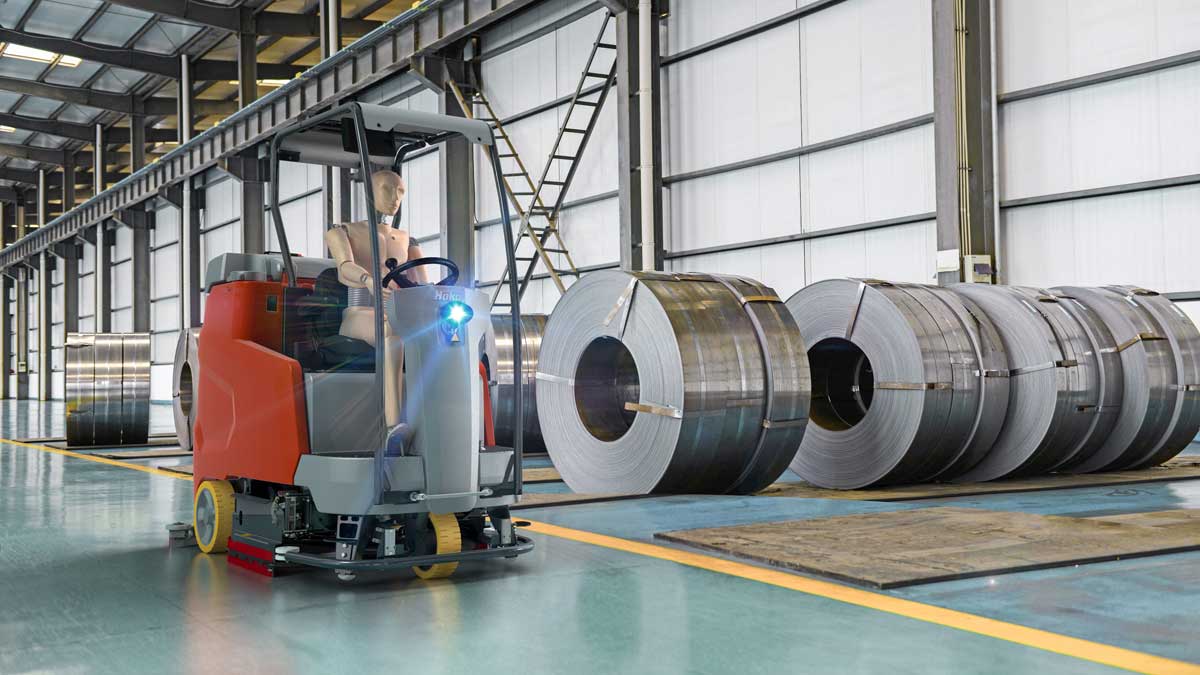
How do Hako scrubber floor machines clean?
Hako floor scrubbers apply water and cleaning solution (detergent) to the floor while rotating brushes or pads loosen dirt, grease and grime. The dirty water is then collected by the machine’s squeegee and powerful suction system.
This enables our scrubbers to wash, scrub and dry the floor in a single pass, leaving the surface clean and ready to use much faster than traditional mopping.
Hako scrubbers are primarily designed for hard flooring and can be used across many commercial and industrial environments, including:
- Airports and transport terminals
- Sports centres and entertainment venues
- Commercial kitchens and food-production areas
- Offices and public buildings
- Car parks and workshops
- Mining and mineral processing facilities
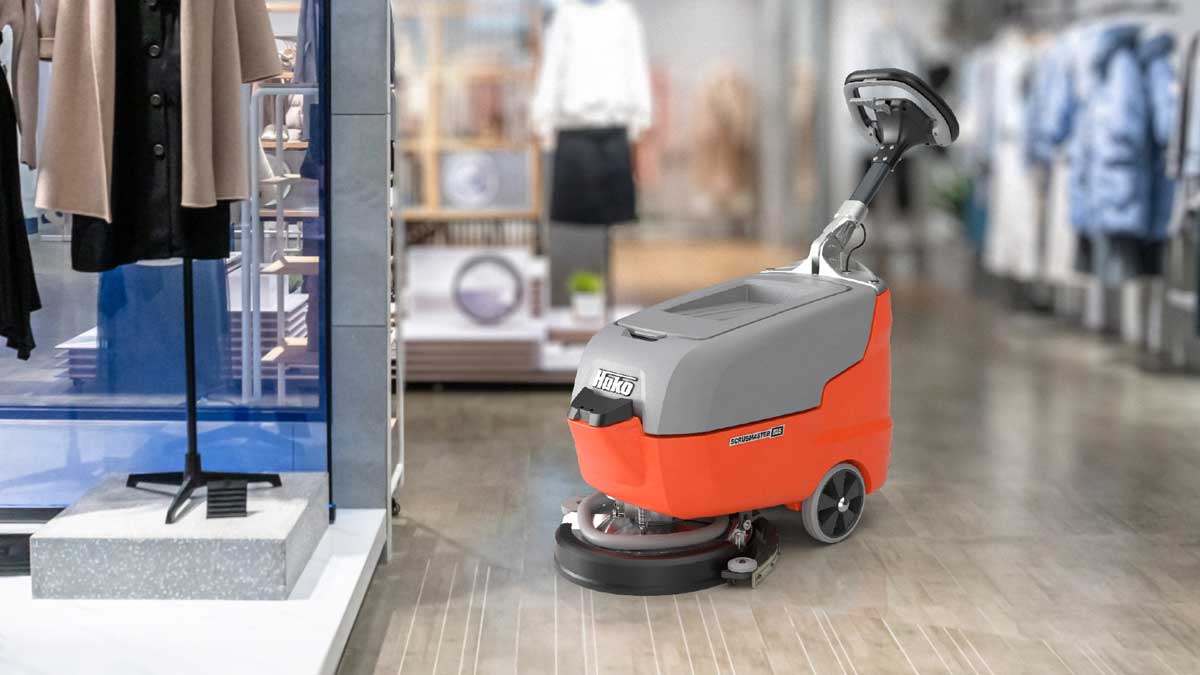
Industrial scrubber cleaning by floor type
Hako floor scrubbers can clean a wide range of floor types.
Hako scrubber floor machines can clean a wide range of commercial and industrial flooring. However, each surface has different requirements, and the correct machine, brush or pad, cleaning solution and operating settings are essential for achieving an effective clean without damaging the floor. Below, we’ll explore the most common flooring types that can be cleaned with Hako floor scrubbers and the key factors to consider for each.
Concrete floors
Hako floor scrubbers can clean sealed and polished concrete floors in warehouses, factories, workshops, car parks and other industrial facilities.
Depending on the machine and cleaning system selected, they can remove dirt, tyre marks, oils, spills and other contaminants. Heavily textured or uneven concrete may require a more aggressive brush that can reach into low points and surface irregularities.
Unsealed concrete is porous and can absorb water and cleaning chemicals. The condition of the floor should therefore be assessed before cleaning, and excess water should be avoided.
Epoxy and resin flooring
Hako scrubber floor machines can efficiently clean epoxy and resin flooring found in warehouses, factories, workshops, commercial kitchens and healthcare environments.
The brush or pad should be selected according to the coating’s finish and condition. A less aggressive option is generally suitable for smooth or glossy surfaces, while textured safety flooring may require a brush that can clean within the surface profile.
Vinyl flooring
Hako scrubbers can clean commercial vinyl flooring in hospitals, medical centres, aged care facilities, schools, supermarkets and offices.
Because vinyl can be marked or damaged by excessive abrasion, the machine should be fitted with an appropriate non-aggressive pad or brush. Suitable brush pressure and solution flow help provide a thorough clean while protecting the floor’s finish.
If the vinyl has a protective coating or polish, always follow the flooring manufacturer’s cleaning recommendations.
Linoleum flooring
Hako scrubbers can generally be used on properly sealed linoleum when fitted with the correct pad or brush.
Although linoleum and vinyl are often grouped together, they are different materials and may have different cleaning requirements. Avoid overly aggressive pads, excessive water and highly alkaline cleaning products unless the flooring manufacturer confirms they are suitable.
Water should not be allowed to penetrate damaged seams or worn sections of the floor.
Ceramic and porcelain tiles
Hako floor scrubbers are well suited to ceramic and porcelain tiles in shopping centres, bathrooms, commercial kitchens, schools, healthcare facilities and other high-traffic areas.
A disc brush or pad can clean smooth tiles, while a cylindrical brush may be more effective on textured or uneven tiles. Its bristles can reach into small surface variations that a flat pad may pass over.
Grout can require additional attention because it sits below the tile surface and traps dirt. The correct brush, cleaning solution and operating settings can improve results on heavily soiled grout.
Terrazzo flooring
Hako floor scrubbers can maintain terrazzo flooring in shopping centres, airports, schools, hospitals and public buildings.
A soft or non-abrasive pad is generally suitable for routine cleaning and helps protect the polished appearance. More intensive restoration or polishing should only be undertaken using a process specifically designed for terrazzo.
Rubber flooring
Many rubber floors can be cleaned with a Hako floor scrubber fitted with a soft brush or suitable non-abrasive pad.
Rubber flooring is commonly found in gyms, healthcare facilities, schools, public buildings and transport environments. As some cleaning products can affect its colour, finish or slip resistance, always check the flooring manufacturer’s instructions first.
Test the selected chemical and pad in a small, inconspicuous area before cleaning the entire floor.
Natural stone flooring
Hako floor scrubbers may be used to clean some sealed natural stone floors, including granite and certain types of marble. However, natural stone varies considerably in hardness, porosity and chemical sensitivity.
Acidic cleaning products can etch marble and other calcium-based stones, while aggressive pads may scratch polished surfaces. Use a pH-appropriate cleaning product and a soft pad or brush approved for the particular type of stone.
If there is any uncertainty, obtain advice from the flooring supplier before machine cleaning.
Sealed timber and engineered wood flooring
Some properly sealed timber and engineered wood floors may be suitable for cleaning with a Hako floor scrubber, but these surfaces require particular care.
Only use a scrubber floor machine when permitted by the flooring manufacturer. Select a soft pad, use the lowest practical solution flow and ensure the machine collects the water effectively. The surface should never be left wet.
Hako floor scrubbers should generally not be used on unsealed timber, laminate with vulnerable joins or floors with a damaged protective coating.
Textured and safety flooring
Selected Hako scrubber floor machines can clean textured and slip-resistant floors that are difficult to maintain using a traditional mop or flat cleaning pad.
A cylindrical brush system or appropriately selected scrubbing brush can reach into textured surfaces where dirt accumulates. Effective suction and a suitable squeegee configuration also help recover dirty water from uneven flooring.
Textured and safety floors are commonly found in commercial kitchens, food-processing facilities, bathrooms and change rooms, pool surrounds, entrance areas, workshops and industrial facilities.
Can a Hako floor scrubber clean carpet?
Hako floor scrubbers are primarily designed for hard floors and should not normally be used on carpet. Carpet should be cleaned using purpose-built equipment, such as a Hako commercial vacuum or carpet-cleaning machine.
Only use a scrubber floor on carpet when the particular machine and attachment are specifically designed and approved for that purpose.
- Choosing the right Hako brush or pad: The flooring material is only one part of selecting the right cleaning system. The brush or pad fitted to the Hako floor scrubber must also suit the surface, contamination and required cleaning result.
- Disc brushes and pads: Hako disc systems are generally suited to smooth, even floors. Different brushes and pad grades support tasks ranging from gentle daily cleaning to intensive scrubbing.
- Cylindrical brushes: Hako cylindrical brush systems are particularly useful on textured, uneven or structured floors. The bristles can reach into joints and surface irregularities while collecting small amounts of loose debris.
- Soft brushes and non-abrasive pads: These are suitable for sensitive, polished or coated floors where protecting the surface finish is a priority.
- More aggressive brushes and pads: Heavier-duty options may be needed on durable industrial floors with embedded dirt, tyre marks, grease or stubborn contamination. They should not be used on delicate surfaces without first confirming their suitability.
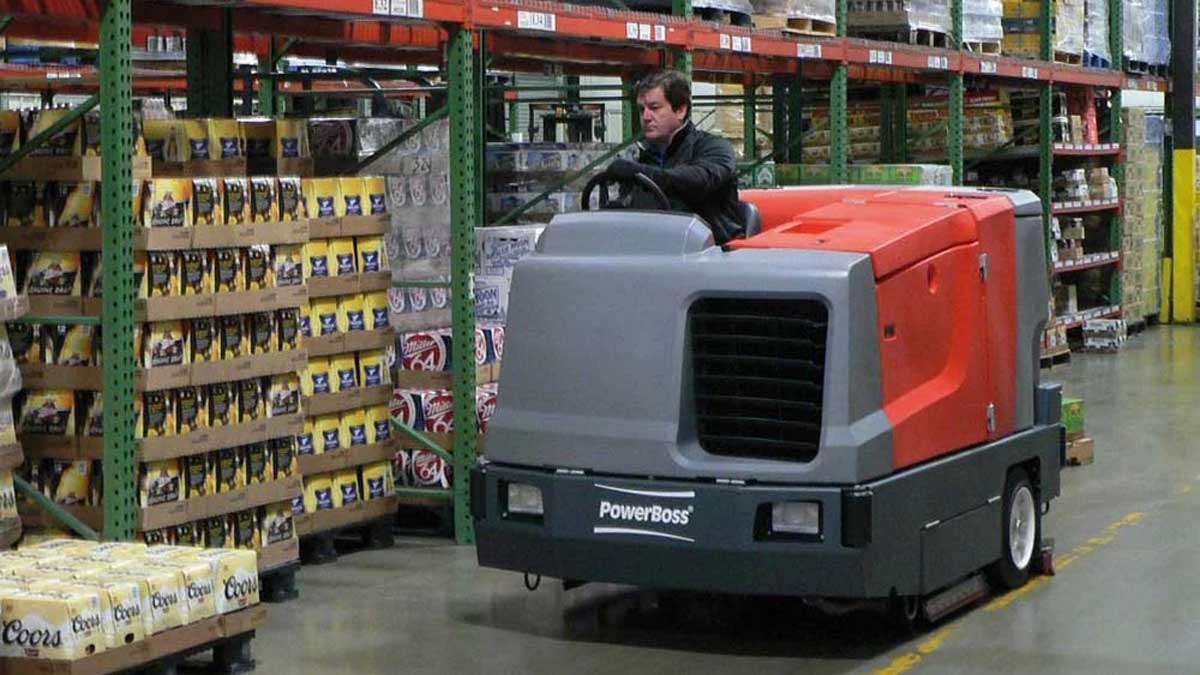
Choosing the right Hako scrubber floor machine
When selecting a Hako scrubber machine, consider more than the flooring material. Important factors include:
- The size and layout of the cleaning area
- Whether the floor is smooth, uneven or heavily textured
- The type and amount of dirt present
- The required hygiene standard
- The floor’s coating, polish or sealant
- Pedestrian traffic and available cleaning time
- Doorways, aisles, ramps and access restrictions
- The amount of loose debris
- The appropriate cleaning chemical
- Whether a walk-behind, ride-on or autonomous machine is required
Areas containing significant loose dirt or larger debris should generally be swept or vacuumed before scrubbing. For facilities that regularly require both dry and wet cleaning, a Hako combined sweeper-scrubber may provide a more efficient solution.
Not sure which floor scrubber is right for your needs? Contact our friendly team for expert advice, or book an on-site demonstration to see how Hako floor scrubbers perform in your facility or workplace.
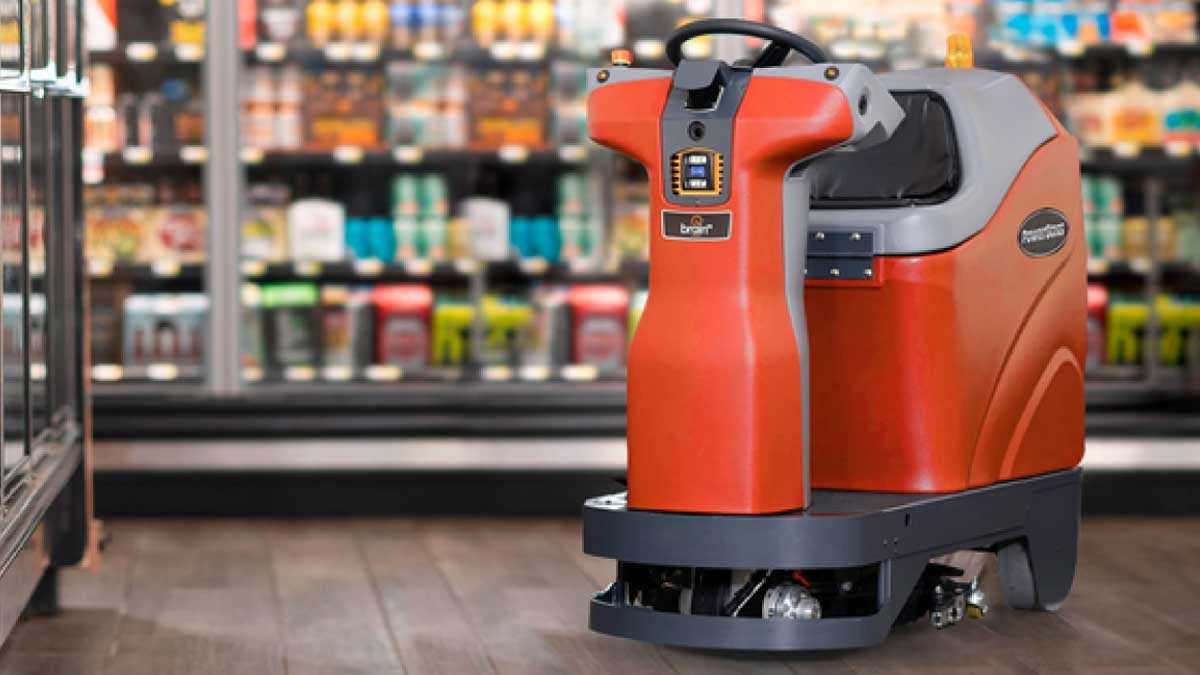
First, always test an unfamiliar surface
Checks before using a scrubber on an unfamiliar surface.
Before using a Hako floor scrubber on an unfamiliar surface, check the flooring manufacturer’s care instructions and test the proposed brush, pad and cleaning product in a small, inconspicuous area.
Also check that:
- The floor is intact and properly sealed
- There are no loose tiles or damaged joins
- The cleaning chemical is compatible with the floor
- The brush pressure is appropriate
- The water flow is not excessive
- The squeegee collects the dirty water effectively
This helps prevent damage and confirms that the selected Hako machine and cleaning system will deliver the required result.
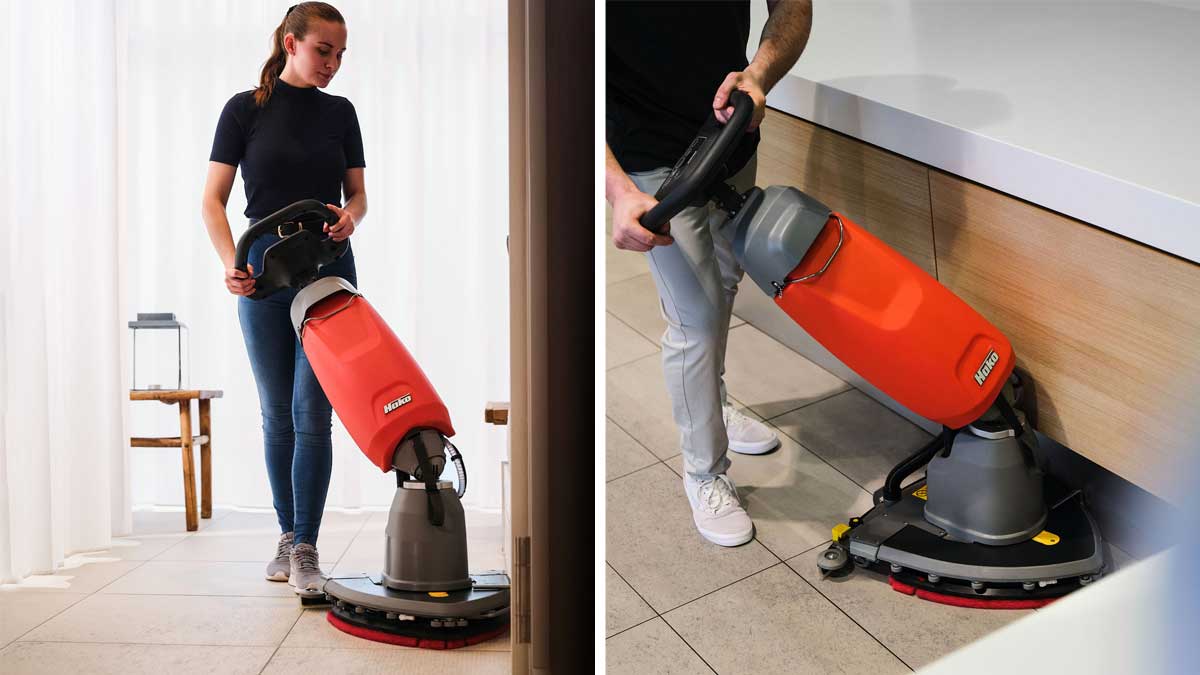
Find the right Hako floor scrubber for your facility
Australia-wide sales, support and service.
Hako offers a comprehensive range of commercial and industrial floor scrubbers for different flooring materials, facility sizes and cleaning requirements. The range includes compact walk-behind floor scrubbers for confined areas, highly productive ride-on machines for large facilities and specialised solutions for demanding commercial and industrial applications.
Selecting the right Hako scrubber, brush system and operating settings helps achieve a thorough clean while protecting the floor and reducing water, chemical and labour requirements.
Contact Hako Australia to discuss your flooring, facility and cleaning challenges. Our team can recommend the most suitable Hako floor scrubber and arrange an on-site demonstration in your working environment.
For Australia-wide sales, service and support, get in touch with our expert team today.